CHOOSE YOUR CLINIC
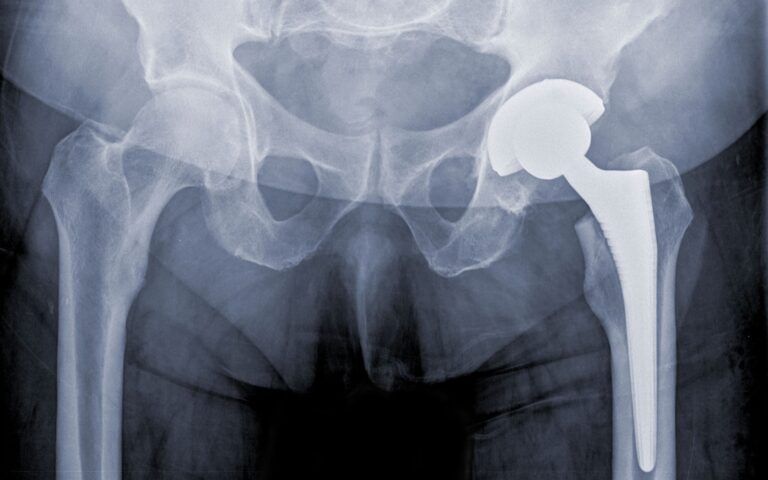
Total hip replacement surgery (total hip arthroplasty) is a procedure performed to relieve pain and restore function in patients with advanced hip joint damage, most commonly caused by osteoarthritis. During the procedure, the damaged surfaces of the hip joint are replaced with prosthetic components designed to improve mobility, stability, and comfort.
Total hip replacement is considered when hip pain, stiffness, and reduced mobility significantly affect daily activities and quality of life, and when non-surgical treatments such as physiotherapy, medication, or injections are no longer effective.
Our clinic offers private total hip replacement surgery in Canada, providing timely access to experienced orthopedic surgeons, modern surgical techniques, and structured post-operative care in a controlled private-care environment.
We welcome patients from across Canada who are seeking timely access to private knee surgery in Montréal. For patients travelling from outside Québec, our team provides assistance with transportation and accommodation arrangements to ensure a smooth and coordinated experience.
Total hip replacement may be recommended for patients experiencing:
The decision to proceed with surgery is made following a comprehensive orthopedic evaluation and review of appropriate medical imaging, such as X-rays or MRI.
Total hip replacement involves:
The choice of implant and surgical approach is determined based on the patient’s anatomy, condition, and overall health. Established, evidence-based techniques are used to optimize safety and outcomes.
Our private orthopedic care model emphasizes safety, precision, and continuity of care:
Patients receive clear pre- and post-operative guidance to support informed decision-making and recovery.
For appropriately selected patients, total hip replacement may provide:
Individual outcomes vary depending on overall health, rehabilitation, and adherence to post-operative instructions.
Recovery following total hip replacement is gradual and varies between patients. Post-operative care includes guidance on mobility, pain management, and rehabilitation. Physiotherapy plays an important role in restoring strength, flexibility, and function, and coordination with rehabilitation services may be arranged when appropriate.
A consultation is required to determine whether total hip replacement is appropriate and to confirm that non-surgical options have been adequately explored. During the consultation, the orthopedic surgeon will review symptoms, medical history, and imaging studies before making any surgical recommendation.
Patients from across Canada may request a private orthopedic consultation to evaluate advanced hip conditions and discuss total hip replacement surgery as a treatment option.
